$2,002.00
    warranty 1 year
    Product Description

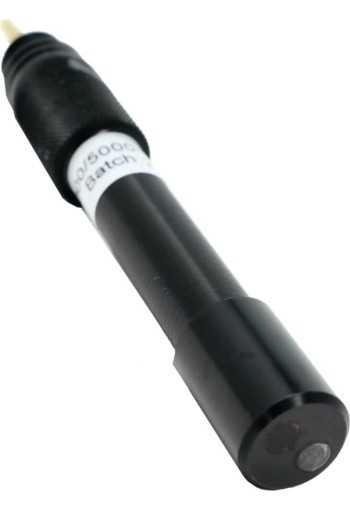
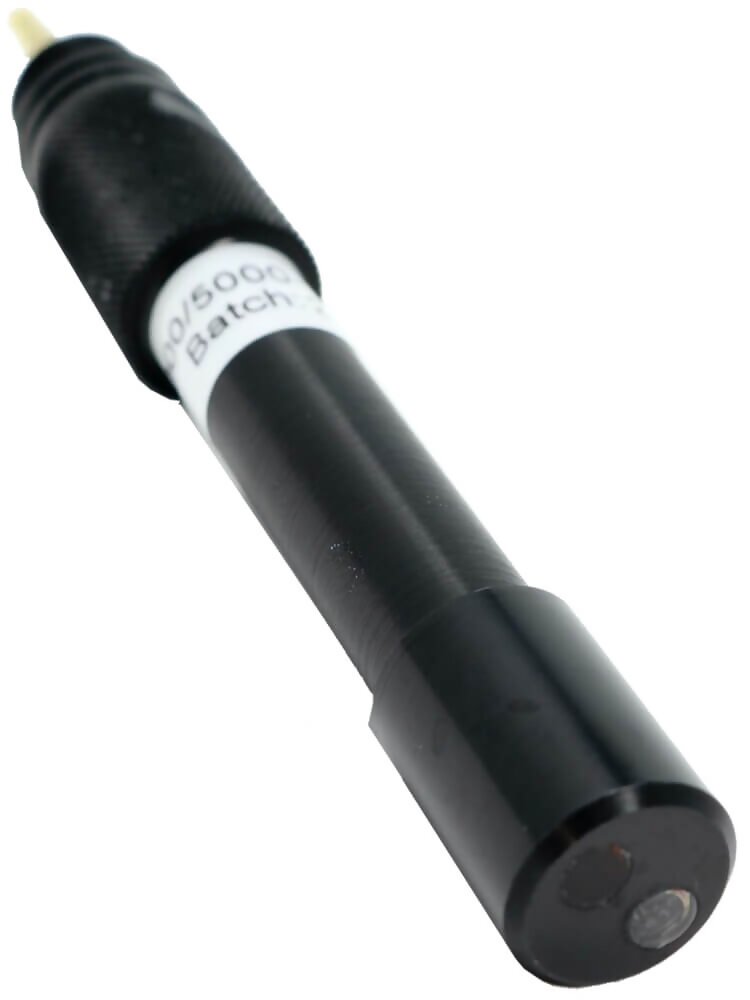
    Aquaread’s blue-green algae sensor is available in two different forms: one to measure phycoerythrin (salt water-PE) and one to measure phycocyanin (fresh water-PC). The sensors are constructed using dense ABS/POM plastics and aluminium. They feature robust sapphire lenses for the highest optical performance and scratch resistance when testing for blue-green algae.
    These sensors are fixed response fluorometers, meaning they excite the algae in the water at a fixed wavelength (BGA-PE at 520nm and BGA-PC at 590nm). They then measure the subsequent emitted fluorescence (BGA-PE at >575nm and BGA-PC at >655nm).

    What Blue-Green Algae is and How to Test for it in Water
    • Blue green algae is a photosynthetic bacteria which grows in both fresh and marine water. Most typically, blue green algae grow in lakes, ponds and slow-moving streams where the water is warm and nutrient-rich. Most species are buoyant so float to the water’s surface, and form layers of scum known as algal blooms.
    • Toxic blue-green algae is able to multiply because it’s generally not eaten by any other species. Algal blooms can be very noticeable because of the smelly scum that can form on the surface of the water, however, there are not always visible signs of it in water bodies. This is where a blue green algae test comes in.
    Simple installation
    • Installing the BGA sensor into an Aquaprobes is a very simple process. Simply unscrew the blanking plug from an appropriate aux socket, apply some silicon grease to the thread of the sensor (grease provided), and screw in the sensor. After installation, full calibration is required.
    Simple calibration
    • Part of our ethos at Aquaread is “ease of use”, so we have simplified and automated the calibration process as much as possible. The BGA sensor is calibrated at 2 points. A zero point and a 8µg/l rhodamine dye point for BGA-PE or a 100µg/l rhodamine dye point for BGA-PC. A stock solution of rhodamine dye is provided, and a small dilution of the stock is required to make the required concentration.
    • Once your solution is made, the calibration involves placing the probe into the solution and selecting the correct calibration option from the menu. A calibration report is saved when complete.
    Grab sample fator
    • When taking measurements at a particular site there can sometimes be a difference between measured values with the sensor and laboratory data. These differences are caused by various things as discussed above. It is possible to apply a multiplier to the data obtained from our sensor in order to make it better correlate with lab data for that particular site. To do this we use a grab sample factor. This factor is calculated by dividing the average grab sample value (measured in the lab) by the average value measured by our BGA sensor.
    • This is a great addition to the software when trying to correlate new data with historic readings from the same site.
    Limitations
    • Trying to accurately determine the number of cells present using fluorometric sensors is an indirect method of counting, thus not as accurate as direct cell counts that can be performed in a laboratory setting. Various external factors can affect the readings, for example, other microbiological species and compounds that fluoresce at similar wavelengths, differences in the fluorescent response between various species of cyanobacteria, temperature, ambient light, and turbidity.
    • For these reasons BGA measurement taken directly in the field is intended for qualitative data collection over time, to monitor changes in trend - not quantitative analysis.

    Features
    • Dense sapphire lenses are used on our BGA sensor for their high clarity and scratch resistance.
    • Measurement range BGA-PE: 0 – 200,000 cells/ml
    • Measurement range BGA-PC: 0 – 300,000 cells/ml
    • Resolution: 1 cell/ml.
    • Repeatability +/- 10% of reading
    • Simple to install on a wide range of Aquaprobes.
    • Easy 2-point calibration using rhodamine dye
    • Site specific calibration with grab sample calibration option
    Related Product

    NKE Aquaprobe-2000 Water Monitoring Probe


    The NKE Aquaprobe-2000 Water Monitoring Probe is the smaller of our advanced portable multiparameter water monitoring probes. It comes with a range of standard sensors included, it also offers some customisation options that allow you to add even more sensors to the probe. All of our probes are constructed from tough marine grade aluminium that has been hard anodised, making it suitable for use in both fresh and salt waters

    Click image for more info

    NKE Aquaprobe-5000 Water Monitoring Probe


    The NKE Aquaprobe-5000 Water Monitoring Probe is the larger of our advanced portable multiparameter water monitoring probes. It comes with a range of standard sensors included, and much like its smaller counterpart it offers more customisation options that allow you to add extra sensors to the probe. All of our probes are constructed from tough marine grade aluminium that has been hard anodised, making it suitable for use in both fresh and salt waters.

    Click image for more info

    NKE Aquaprobe-7000 Water Monitoring Probe


    The NKE Aquaprobe-7000 Water Monitoring Probe is designed for long term deployment utilising a central cleaning system to keep the fitted sensors clean reducing the effects of bio-fouling common in extended deployments. The probe comes with all of our standard parameters including optical dissolved oxygen, it also features 6 user configurable auxiliary sockets allowing you to add multiple specialist sensors to the probe. The NKE Aquaprobe-7000 Water Monitoring Probe is capable of measuring up to 17 individual parameters at once.

    Click image for more info

    NKE Aquaprobe-6000 Water Monitoring Probe


    The NKE Aquaprobe-6000 Water Monitoring Probe can be used for comprehensive spot monitoring as part of a package or it can be used in permanent deployments thanks to its new, much smaller self cleaning mechanism. It features a diameter of only 58mm (the same size as the AP-5000) making it our smallest self cleaning Aquaprobe to date.

    Click image for more info
    Downloads

    F.A.Q.


    More on blue-green algae testing

    It's important to test for blue-green algae and monitor its levels in water because blooms can have a devastating effect on a body of water. It causes discoloured water, reduced light penetration, dissolved oxygen penetrations during die-off, and toxin production. A reduction in light penetration caused by toxic blue-green algae affects other aquatic organisms in the habitat, such as phytoplankton and aquatic plants that need light for photosynthesis.

    This has a knock-on effect on the organisms that rely on the plants for food. When blue-green algae dies off, the cells sink into the water to be broken down by microbes, a process that requires oxygen. This results in a biological oxygen demand, which decreases the concentration of oxygen in the water, adversely affecting fish and other aquatic life. It's clear, then, that a lack of cyanobacteria testing can have serious ramifications for the ecosystem as a whole.

    How to test for blue-green algae

    Aquaread's BGA sensor works by sending a light beam into the water to be tested at a fixed wavelength. This wavelength of light excites the algae which subsequently fluoresces at a known wavelength band. The level of excitation measured is proportional to the amount of dye present in the water.

    To use Aquaread's BGA sensor, first install it into your probe of choice, then perform a full calibration using rhodamine dye. Once calibrated, it's good to go. Simply put the probe into the body of water, allow the reading to stabilise, and take your measurement.

    When to use a blue-green algae test kit

    Some species of blue green algae produce toxins that are poisonous to livestock, wildlife, and humans. This makes it necessary to monitor levels of blue green algae in water, especially as the algae is not always visible.

    Applications for blue-green algae testing include water treatment plants monitoring the levels in drinking water, and fishery managers ensuring that it is not present in their lakes – as this could starve the fish of oxygen when the algae die off.

    Blue-green algae blooms can negatively affect humans when affected freshwater is used for recreation purposes, such as swimming and boating. Not only does the water look and smell unappealing but the toxins can cause symptoms such as stomach cramps, fever, and difficulty breathing.

    Water affected by blue-green algae is also unsuitable for agricultural use.

    Testing for algae in drinking water and reservoirs is vital, as it can make the water ultimately undrinkable and impact drinking water supplies.

    Conducting a blue-green algae test using fluorometers is possible because the pigments within the bacteria are fluorescent. This means that when light of a certain wavelength is emitted, the algae absorbs the light energy and emits a light of its own. A fluorometer is a form of blue-green algae sensor that enables concentrations of it to be tested in the field, which means that it's not necessary to collect samples for analysis in a laboratory.

    Laboratory analysis can be a lengthy process and delay control actions. Using a fluorometer to detect it provides instant results.

    Copyright © 2026 Abq Industrial