$5,265.00
    warranty 1 year
    Product Description
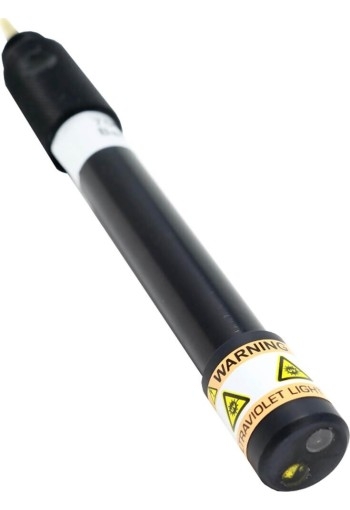
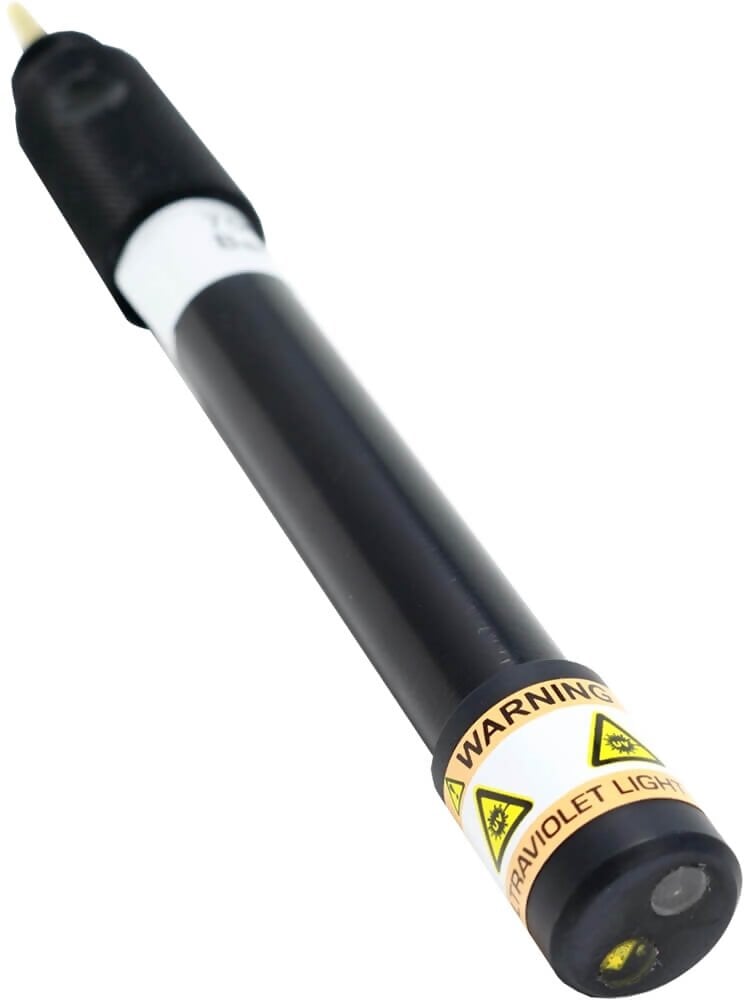
    The sensor is fixed response fluorometer, which provides excitation at 285nm (deep UV) and detects any resultant fluorescence between 330nm and 370nm. The electrode induces the aromatic hydrocarbons within the refined oil to fluoresce, then measures the longer wavelength light which is emitted as a result of the fluorescence process.
    What is Refined Oil?
    • Refined oils are products derived from crude oil. BETX hydrocarbons are some examples, such as benzene, toluene, ethylbenzene, and xylenes. These hydrocarbons can be measured by the refined oils sensor.
    Simple installation
    • Installing the refined oil sensor into an Aquaprobe is a very simple process. Simply unscrew the blanking plug from an appropriate aux socket, apply some silicon grease to the thread of the sensor (grease provided) and screw in the sensor. After installation full calibration is required.
    Calibration
    • In order to 'calibrate' the REFOIL electrode, a 10ppm calibration solution of 1-5, naphthalenedisulfonic acid disodium salt should be used. This solution contains naphthalene, an aromatic hydrocarbon, which has similar fluorescence characteristics to many Refined Oils.
    • The 10ppm calibration solution should be freshly prepared by serial dilution from pure 1-5, naphthalenedisulfonic acid disodium salt. When calibrating the Refined Oil sensor with naphthalenedisulfonic acid disodium salt, the readings given will be in μg/L (ppb) naphthalene.
    • In order to display readings with respect to a specific type of refined oil, it is necessary to prepare a 10ppm solution of the target oil type and use that to calibrate the electrode in place of the naphthalene solution. Alternatively, apply a suitable Grab Sample Factor to correct the naphthalene readings for the target oil type.
    Auto zero feature
    • When this sensor is deployed in an Aquaprobe or Aquasonde it is able to automatically calibrate the 0 point. It is able to do this by measuring the response when the deep UV LED is not active.

    F.A.Q.


    More on refined oil testing

    Using a refined oil water tester allows you to measure the amount of oil in water. Gas or liquid chromatography is the usual method for measuring levels of refined oils in water, but the instruments and materials needed can be expensive. A water refined oil meter allows in-situ, rapid detection of these compounds so that action can be taken to prevent any further contamination, and begin the cleanup process.

    How to use a Refined Oils sensor

    The refined oils sensor works by sending a light beam into the water to be tested, at a fixed wavelength. This wavelength of light excites hydrocarbons which subsequently fluoresces at a known wavelength band. The level of excitation measured is proportional to the amount of refined oil present in the water.

    To use Aquaread's refined oil sensor, first install it into your probe of choice, then perform a full calibration of the using REFOIL-CAL solution from Aquaread. Once calibrated it's good to go. Simply put the probe into the body of water, allow the reading to stabilise and take your measurement.

    When to use a Refined Oils sensor

    There are various applications for monitoring refined oil levels in water. You might wish to continually monitor effluent water from oil refineries to ensure no environmental contamination. As outlined above, the environmental consequences of oil in water can be devastating and monitoring the effluent water from refineries and the water near oil platforms could prevent a disaster before it's too late. A refined oil water tester can detect oil throughout the water column in both marine and freshwater monitoring.

    Copyright © 2026 Abq Industrial