$630.00
    warranty 1 year
    Product Description

    One of the most common water quality measurements taken is pH. pH is a measure of how acid or alkaline water is, but this is actually determined by the amount of free hydrogen and hydroxyl ions in the water. Water that has more free hydrogen is acidic, and conversely water that has more free hydroxyl ions is alkaline.
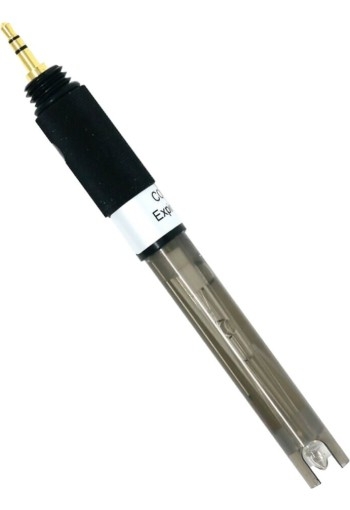
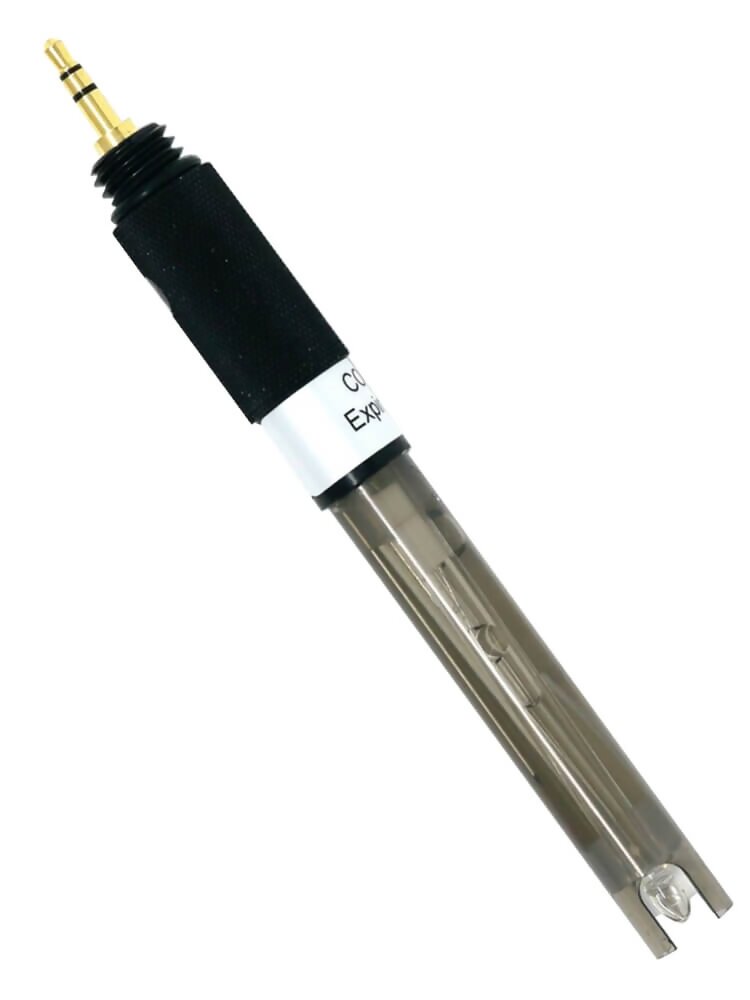
    Aquaread’s pH probe combines a pH sensor and an ORP sensor. It is gel filled and a consumable part. It features a 3MPK1 silver chloride reference ORP electrode and has a life span of around 12 months with regular use.

    Always included
    • The pH/ORP sensor is included on every Aquaprobe and Aquasonde. It is a consumable sensor that will need replacing roughly every 12 months. Replacement is a quick and simple process.
    Simplified Calibration
    • Calibrating of the pH sensor has been made as easy for the user as possible. Simply put the probe in the chosen pH calibration solution, wait for the readings and temperature to stabilise, then select the correct pH calibration from the menu. The Aquameter will do the rest. It will check it is in the correct solution and check the stability before calibrating.
    • A basic pH7 followed by pH4 calibration is sufficient to provide accurate measurements, however a third point at pH10 is also available if required.
    • There are two options available for ORP calibration, either select 250mV or 229mV (commonly known as Zobels solution).
    Application Specific Options
    • There are now 2 specialist types of pH/ORP sensors available. This allows you to choose a pH/ORP sensor with a build type that is designed to increase accuracy or extend its life span when being used in specific applications.
    pH Designed for Dirty Water
    • Our pH/ORP sensor for use in dirty water has a very different kind of junction between the gel on the inside of the sensor and the water you are measuring. A regular sensor uses a thin Teflon junction which is ideal for most application, however if the water is particularly dirty this junction can become blocked by debris or metals such as iron solubilised within the water. The dirty water version of the pH/ORP sensor uses a much larger ceramic junction. As this junction has a far greater surface area it is less prone to becoming blocked, maximising the sensors life in this kind of application.
    pH Designed for use in Salt-Water
    • Our pH sensor designed for use in salt-water features a double junction. Inside a regular pH sensor there is just one gel filled section. Inside the salt-water version there are two gel filled sections connected by Teflon junctions. The reason for this is to do with the ionic gradient between the inside of the sensor and the salt-water being measured.
    • For a regular pH sensor, the ionic gradient is high between the inside of the sensor and the salt-water outside. This means the ions on the inside of the sensor can be drawn out, reducing the life span of the sensor. The additional gel filled section sits in contact with the salt-water. It has an ionic strength somewhere between that of the salt-water and the second gel filled section of this sensor. The aim of this design is to reduce the ionic gradient on that second gel filled section, to increase the sensors life when used for long periods in salt-water.

    Features
    • User replaceable sensor
    • pH Measurement range: 0-14pH
    • Simple 3-point calibration at pH4,7 and 10
    • Internal temperature compensation
    • Sensor accuracy of 0.1pH
    • Easy maintenance
    Related Product

    NKE Aquaprobe-2000 Water Monitoring Probe


    The NKE Aquaprobe-2000 Water Monitoring Probe is the smaller of our advanced portable multiparameter water monitoring probes. It comes with a range of standard sensors included; it also offers some customization options that allow you to add even more sensors to the probe. All of our probes are constructed from tough marine-grade aluminum that has been hard anodized, making it suitable for use in both fresh and salt waters

    Click image for more info

    NKE Aquaprobe-5000 Water Monitoring Probe


    The NKE Aquaprobe-5000 Water Monitoring Probe is the largest of our advanced portable multiparameter water monitoring probes. It comes with a range of standard sensors included, and much like its smaller counterpart it offers more customization options that allow you to add extra sensors to the probe. All of our probes are constructed from tough marine-grade aluminum that has been hard anodized, making it suitable for use in both fresh and salt waters.

    Click image for more info

    NKE Aquaprobe-6000 Water Monitoring Probe


    The NKE Aquaprobe AP-6000 Water Monitoring Probe is our smallest self-cleaning Aquaprobe to date. It can be used for comprehensive spot monitoring as part of a package, or it can be used in permanent deployments thanks to its new, much smaller self-cleaning mechanism. It features a diameter of only 58mm (the same size as the AP-5000).

    Click image for more info

    NKE Aquaprobe-7000 Water Monitoring Probe


    The NKE Aquaprobe-7000 Water Monitoring Probe is designed for long term deployment utilising a central cleaning system to keep the fitted sensors clean reducing the effects of bio-fouling common in extended deployments. The probe comes with all of our standard parameters including optical dissolved oxygen, it also features 6 user configurable auxiliary sockets allowing you to add multiple specialist sensors to the probe. The NKE Aquaprobe-7000 Water Monitoring Probe is capable of measuring up to 17 individual parameters at once.

    Click image for more info
    Downloads

    F.A.Q.


    More on pH and ORP testing

    Measuring pH is in the range of 0 – 14: the scale is logarithmic, so each number represents a 10-fold change in pH. For example, water with a pH of 4 is ten times more acidic than water with a pH of 5. Within this range, a pH of 7 is neutral, any pH below 7 is acidic and any pH above 7 is alkaline. To give an example of this in context, normal rainfall has a pH of about 5.6, and a stream would be expected to have a pH in the range of 6 – 8.

    It is important to monitor the pH of a water body because it affects aquatic organisms. Different organisms thrive in varying ranges of pH and can be adversely affected by just a small change. An alteration in normal pH in a water body can be an indication of increased pollution or other environmental factors. This is due to the fact that pH can be affected by chemicals in the water. The solubility and biological availability of the chemical constituents of water are determined by pH.

    These chemical constituents may be nutrients, such as phosphorus, nitrogen and carbon, and heavy metals, such as lead, copper and cadmium. The biological availability of nutrients will affect what organisms can survive in that water. Heavy metals are more soluble in water with a lower pH, which tends to make them more toxic to aquatic life – in particular fish.

    Overly acid or alkaline water can have negative effects on water usage. For example, highly alkaline waters cause a bitter taste, and mean water pipes and appliances that use water become encrusted with deposits. Hard water (high pH) areas in the UK have issues with limescale deposits building up in kettles, washing machines, etc. Very low pH water will corrode or dissolve metals and other substances.

    ORP stands for Oxidation Reduction Potential – a measure in millivolts of the potential for oxidation or reduction chemical reactions to take place. Oxidation is the loss of electrons by an atom, molecule or ion. The process may or may not involve the addition of oxygen, which is where the term originated from.

    Reduction is the net gain of electrons by an atom, molecule or ion. Oxidation reactions always go hand in hand with reduction reactions. The electrons lost in oxidation must have a destination, and the electrons gained in reduction reactions must have come from a source. In an oxidation reduction reaction between iron and chlorine, iron is called a reductant or reducing agent because it reduces chlorine, whereas chlorine oxidises iron so is called an oxidant or oxidising agent.

    How to use a pH meter

    pH testing equipment from Aquaread comes in the form of Aquaprobes, with various electrodes attached to the bottom. One of these measures pH, so that multiple parameters can be monitored simultaneously. To ensure optimum accuracy, pH sensors should be calibrated at least once per week.

    To use pH meters, you place the electrode in the water sample. Inside the pH probe supplied by Aquaread there are 2 electrodes that measure voltage (or electrical potential). One electrode is inside a fixed pH sensor liquid, so provides a constant electric potential, the other senses the electrical potential in the water sample.

    A pH meter measures the difference between the 2 readings, and then this is translated into pH. The pH measurement will be displayed on the screen of the Aquameter that is used, in combination with the Aquaprobes. The pH electrode must be used and maintained according to the user manual to ensure accuracy and optimise the life of the meter.

    How to use an ORP meter

    ORP meters have an ORP electrode and a reference electrode. The ORP electrode is designed to either give up electrons to an oxidant or accept electrons from a reductant. These chemical reactions will continue until the electrode develops a potential, caused by the build up in charge, which is equal to the ORP of the solution. The reference electrode is encased in a stable gel.

    The measurement is referenced from the voltage of each electrode.

    When the ORP probe is placed in the water sample the measurement of water oxidation reduction potential will be recorded by the Aqualogger or Aquameter being used, in conjunction with the Aquaprobe.

    The ORP water testing measurements are particularly useful when considered in collaboration with the other measurements that our multiparameter water quality testing equipment provide. It is vital to follow the instructions for usage in the manual for your ORP sensor to ensure that you maintain the meter properly and prevent damage.

    When to use Aquaread’s pH meter

    Aquaread's pH testing equipment is designed to be used in the field, and can either collect data instantaneously from a portable device or remain in-situ to collect long term data. pH is an important measure in water quality monitoring, for the reasons described above.

    pH meters can be used in many applications, including commercial and industrial pH testing. Many industrial processes involve adding chemicals to water to achieve a specific, required pH. After its use, the water is then discharged as waste water directly into a water body, or perhaps through a local waste water treatment plant.

    Industrial pH testing monitors the pH of the effluent water and, alongside other water quality monitoring parameters, ensures that this effluent water is safe to be discharged directly into a water body, without it having a negative effect on the local, and wider, ecosystem. An example of commercial testing may be using pH meters to measure the pH of water in a water treatment plant that produces drinking water.

    pH meters can also be used for measuring pH in water bodies themselves, to measure any environmental changes.

    When to use Aquaread’s ORP sensor

    ORP water testing measurements can be taken in the field to directly measure bodies of water. The pH and temperature of the water has an effect of the ORP measurement, so ORP should not be used as a direct indicator of the concentration of the oxidiser. ORP data can be collected over time to identify patterns or the normal range of ORP for this water body. By understanding the normal levels, it is easier to identify when there has been an alteration that could affect the aquatic ecosystem.

    ORP water testing equipment can also be used to measure the effectiveness of swimming pool sanitiser. Chlorine is an oxidiser and helps to clean water by killing unwanted organisms through altering their chemical makeup. Continual or regular monitoring with ORP water testing equipment will ensure the correct levels of water cleanliness is maintained.

    ORP monitoring is additionally used in the waste-water treatment process, and can measure the performance of the treatment plant. The higher the ORP at the end of the process the cleaner the water. Monitoring the ORP at different stages of the treatment process can also help the operators to gain a more thorough understanding of the process' performance in detail.

    Copyright © 2026 Abq Industrial