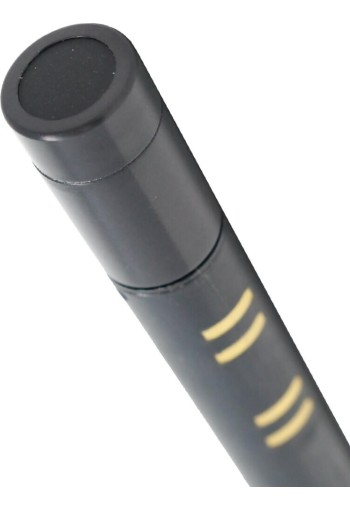
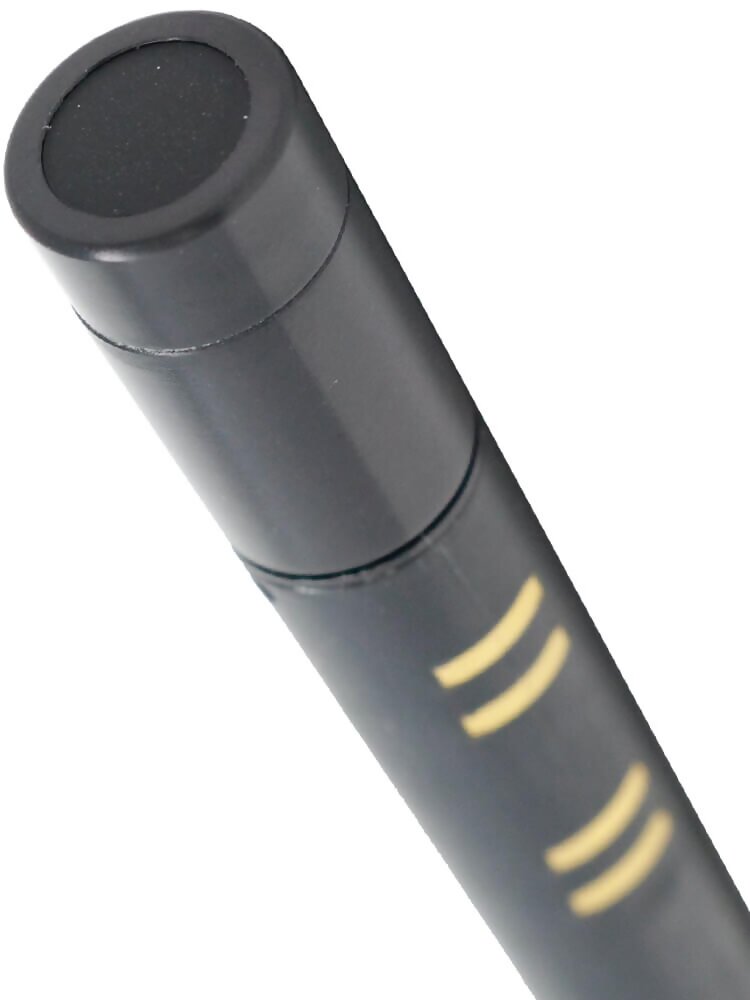
The NKE Aquaread DO Dissolved Oxygen Electrode is developed our own optical dissolved oxygen sensor back in 2010. It can be found on almost all of our Aquaprobes and on every Aquasonde. Its special design maximises the sensor cap life meaning longer that 3 years use between cap changes.
Dissolved oxygen is a measure of the quantity of free oxygen molecules in water. The concentration of DO is an important indicator of the health of an aquatic ecosystem because oxygen is essential for almost all forms of life.
The Aquaread optical dissolved oxygen probe works on the principle of Dynamic Luminescence Quenching. A gas-permeable material known as a luminophore is excited with short bursts of blue light, which causes molecules in the luminophore to emit red photons.
By measuring the delay of the returned red photons with respect to the blue excitation, the level of dissolved oxygen present can be determined. The optical method has various advantages over the historical galvanic method for measuring dissolved oxygen.
The DO sensor is easy to calibrate. There are only 2 points to calibrate, first the 100% point which you can calibrate in the air. The second is performed in zero oxygen solution. The Aquameter will do the rest, checking it's in the correct solution and checking for stability prior to completing the calibration.
When measuring % saturation the salinity of the water has an influence on the dissolved oxygen % saturation measurement. The DO sensor has a built-in conductivity sensor meaning that the salinity is calculated, this value is then used for auto compensation giving the most accurate measurements with no extra user input.
Aquaread also offer an alternative DO sensor found on the entry level AP-700 and AP-800 Aquaprobes. These probes use the galvanic method for DO measurement. With this sensor oxygen is consumed from the sample as it's crossed the sensors membrane. Once inside the sensor it reacts with the electrolyte solution inside the membrane cap causing a current, which is measured.
Whilst both sensors have the same great sensor resolution and accuracy, the galvanic sensors do require more maintenance by means of regular cap and electrolyte solution replacement. Also, as oxygen is consumed across the membrane these sensors are not ideal for use in still waters. Caps must be replaced every month followed by a fresh calibration.
- Replaceable aluminium caps feature the Luminophore membrane
- DO Measurement range: 0-500% / 0-50mg/L
- Simple 2-point calibration
- Internal temperature, salinity and air pressure compensation
- Easy maintenance
- Holds calibration for 6 months
- No flow of water is required to achieve stable readings
F.A.Q.
More on DO testing
Oxygen is necessary for respiration and for some chemical reactions. Ongoing low dissolved oxygen in a water body will harm most aquatic life, because there will not be enough to sustain life. Conversely, too much oxygen in water (supersaturated) can also be dangerous.
Dissolved oxygen in water comes from two main sources: the atmosphere and photosynthesis. The concentration of DO is affected by numerous variables, including water temperature (colder water holds more oxygen than warmer water), salinity (freshwater holds more oxygen than saltwater) and atmospheric pressure (the amount of DO absorbed in water decreases as altitude increases).
How to use our DO sensor
DO is measured using our optical or galvanic dissolved oxygen sensor. The best method is to take the measurement in the field directly in the body of water, at the same time each day. This is important because DO concentrations can vary throughout a 24 hour period due to the day / night cycle.
Our dissolved oxygen testing equipment allows oxygen concentrations to be measured in both milligrams per litre (mg/)l and percentage saturation (% sat) at the same time, which allows direct comparison between results from sites with different salinity and temperature values.
When to use our DO sensor
Dissolved oxygen is a very common parameter to be monitored in any water study. This is because monitoring its trends over time can help highlight any event that changes the normal dissolved oxygen levels in that body of water. This can give time for deeper investigation before any damage is done to the ecosystem living in the water.