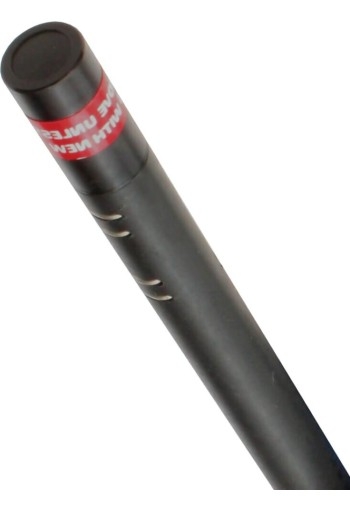
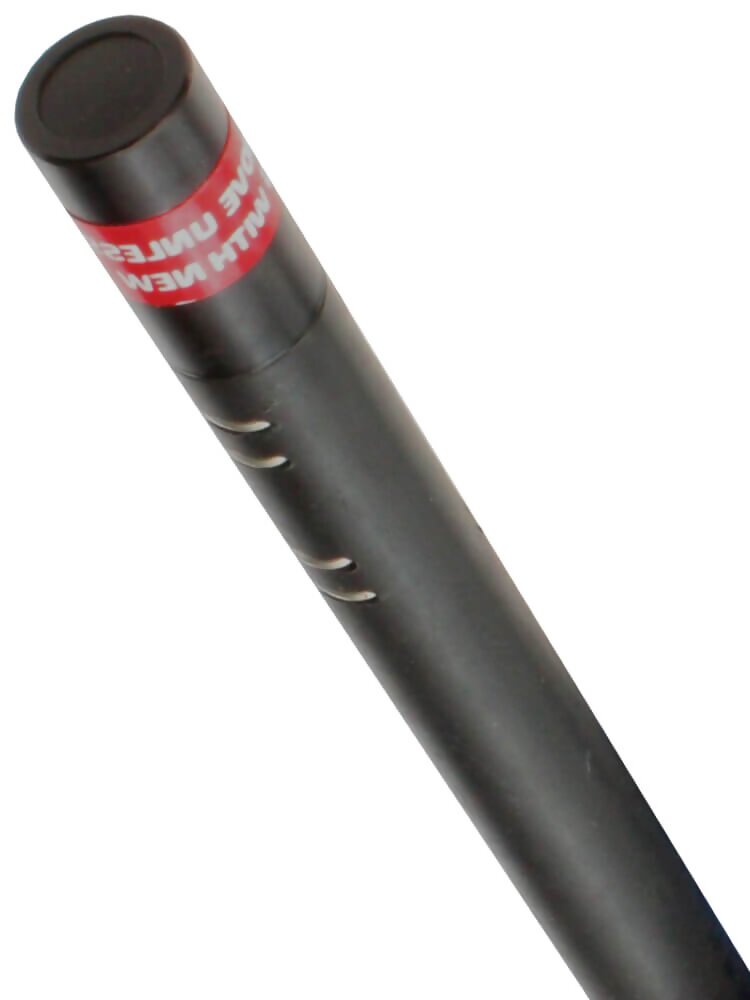
The NKE Aquaread Depth Electrode can be found on all almost of the Aquaprobes and Aquasondes (except the AP-700, AP-800 and Aquaprobe AP-2000). The sensor can be found in a few different locations depending on the probe, all of which are inside the probes body.
Depth is measured in meters and is calculated using a pressure measurement from a sensor located in the probe, which is then compensated using barometric pressure recorded from either an Aquameter, Blackbox or vented cable depending on the set up.
- Depth is calculated by compensating the raw pressure measurement with baro data
- Measurement range 0 – 60m (Aquaprobe AP-2000 & Aquaprobe AP-5000) 0 – 100m Aquaprobe AP-7000
- Resolution of 0.01m
- Accuracy of 0.5% FS (Aquaprobe AP-2000 & Aquaprobe AP-5000) 0.2% FS on Aquaprobe AP-7000
- Requires no calibration, the sensor is calibrated at the factory and does not require subsequent calibration
F.A.Q.
Depth sensor uses
There are multiple reasons why depth measurement is important in water monitoring. You may wish to test a body of water at a particular depth or you may need to perform a profiling study, testing multiple parameters at various water depths. The built-in depth sensor enables you to do this.
Another use of the probe’s depth sensor is for monitoring water level changes during a fixed deployment. Once the probe is fixed in position, if the sensor is zeroed (setting the current measured pressure to 0) using an Aquameter, the sensor will then detect small changes in the water level as both positive and negative values. This means you can collect accurate water level data alongside the standard water quality parameters such as pH and conductivity.
Measuring depth using an Aquasonde
As the Aquasonde is designed to be submerged under water it cannot obtain a reading for barometric changes unless it is used in conjunction with a vented cable. The use of the vented cable means that the baro data is not required for compensation. The vent itself allows air pressure changes to directly affect the sensor, automatically compensating it.